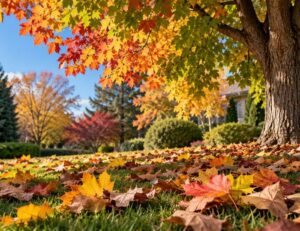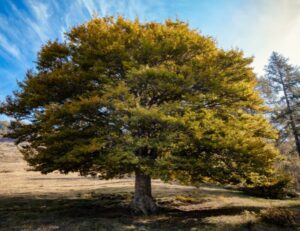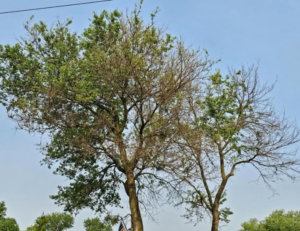
Mature trees are valuable assets that provide shade, beauty, privacy, and environmental benefits for decades. That’s why it can be alarming when a healthy-looking tree suddenly begins to decline seemingly without warning.
The truth is that most tree problems develop slowly beneath the surface long before visible symptoms appear. By the time homeowners notice thinning leaves, dying branches, or discoloration, the underlying issue may have been affecting the tree for months—or even years.
At Tree Green, we help homeowners identify the hidden causes of tree decline and create customized treatment plans that improve long-term tree health whenever possible.
Trees Often Hide Stress for Years
Unlike many landscape plants, mature trees are incredibly resilient. They can continue growing while coping with significant stress.
Unfortunately, this also means problems often remain unnoticed until the tree has exhausted much of its stored energy.
Hidden stress may accumulate from:
- Drought
- Soil compaction
- Construction damage
- Poor drainage
- Insect activity
- Disease
- Root damage
- Nutrient deficiencies
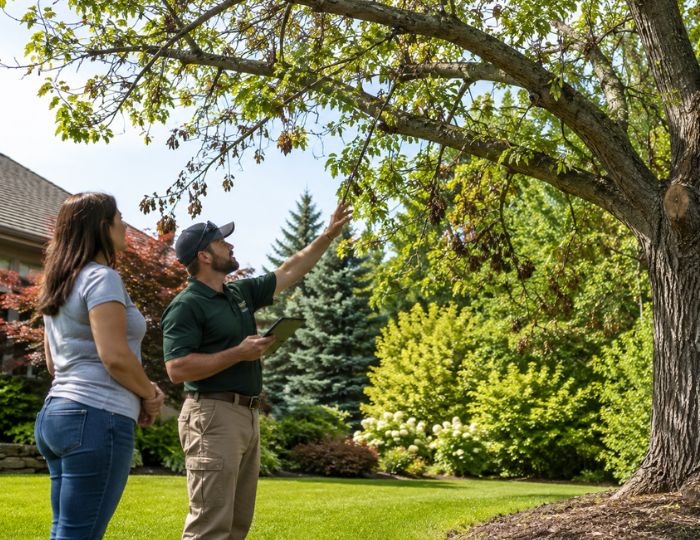
A professional Tree Diagnosis can help determine the underlying cause before the damage becomes irreversible.
Root Problems Often Go Unnoticed
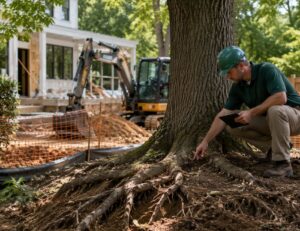
Most homeowners focus on the visible portions of a tree, but the root system is where many problems begin.
Common root issues include:
- Compacted soil
- Damaged roots
- Poor oxygen availability
- Construction disturbance
- Limited rooting space
Because roots are underground, these problems may not become obvious until canopy decline appears.
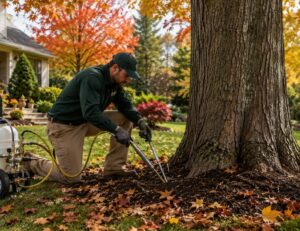
Our Root Fertilization services help improve soil conditions and encourage healthier root development.
Environmental Stress Adds Up
Even healthy trees can struggle when exposed to repeated environmental stress.
Several consecutive seasons of drought, excessive rainfall, temperature extremes, or poor growing conditions can weaken a tree’s natural defenses.
As stress accumulates, trees become more vulnerable to insects and diseases that might otherwise cause little damage.
Our Tree Stress Recovery program is designed to help trees recover from these long-term environmental challenges.
Insects and Diseases Often Attack Stressed Trees
Many insects and fungal diseases are considered secondary pests because they target trees already weakened by other factors.
Examples include:
- Borers
- Scale insects
- Needle cast diseases
- Anthracnose
- Apple scab
- Mites
Early diagnosis allows treatment before widespread damage occurs.
Learn more about our Insect Control and Fungus Control services.
Warning Signs You Shouldn’t Ignore
If you notice any of the following symptoms, it’s wise to schedule an evaluation:
- Dead branches
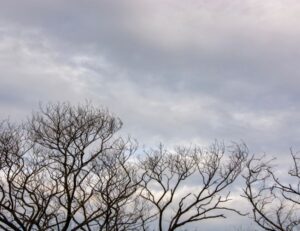
- Sparse foliage
- Leaves changing color too early
- Excessive branch dieback
- Cracks in the trunk
- Mushrooms near the base
- Peeling bark
- Reduced annual growth
These signs don’t always mean a tree is beyond saving—but they do indicate it’s time for a professional assessment.
Early Treatment Often Makes a Big Difference
Many tree problems become significantly more difficult to correct once decline has progressed.
Early intervention may allow arborists to:
- Improve root health
- Treat insects or diseases
- Reduce environmental stress
- Improve soil conditions
- Extend the tree’s lifespan
Waiting until major portions of the canopy have died often limits available treatment options.
Why Choose Tree Green?
At Tree Green, our experienced arborists specialize in identifying the hidden causes of tree decline before they become catastrophic. We combine professional diagnostics with science-based treatment recommendations to help homeowners protect the long-term health of their trees and landscapes.
Whether you’re concerned about a mature oak, maple, spruce, or ornamental tree, our team is ready to help.
Learn more About Tree Green, explore our complete Tree Services, schedule a professional Tree Diagnosis, browse our Gallery, read our Reviews, or Contact Us to schedule an evaluation.
TL;DR / Key Takeaways
- Mature trees often experience years of hidden stress before visible decline appears.
- Root damage, drought, insects, disease, and soil conditions are common causes of decline.
- Early diagnosis provides more treatment options and may improve long-term outcomes.
- Professional arborists can identify problems that aren’t visible from the surface.
- Tree Green provides expert tree diagnosis, stress recovery, root care, and treatment services to help protect valuable mature trees.