As we move into spring and summer, your trees are entering their most active—and most vulnerable—time of year. What many homeowners don’t realize is that timing is everything when it comes to tree care. Treat too late, and damage is already done. Treat at the right time, and you can prevent costly decline altogether.
At Tree Green M.D., we help homeowners stay ahead of problems—not just react to them. Here’s how to understand when your trees need attention and how to time treatments for the best results.
Why Timing Matters More Than Most Homeowners Think
Tree health issues rarely happen overnight. Insects, disease, and environmental stress often begin weeks or even months before visible symptoms appear.
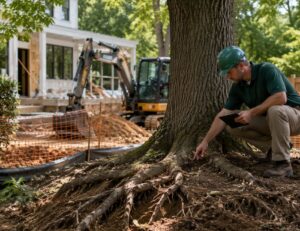
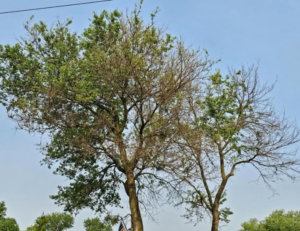
That’s why early, proactive care—guided by proper tree diagnosis—is critical. By the time you notice yellowing leaves, thinning canopies, or dieback, your tree may already be under significant stress.
At Tree Green M.D., we focus on catching these issues early so we can apply targeted treatments before damage escalates.
Spring: The Most Important Window for Preventative Care
Spring is when trees break dormancy and begin pushing new growth. It’s also when many pests and diseases become active.
This is the ideal time to:
-
Apply preventative treatments for insects
-
Address early-stage fungal infections
-
Strengthen root systems with proper nutrition
Our tree services are designed to align with this critical growth phase. For example, early-season fungus control can stop diseases like anthracnose before they spread.
Similarly, targeting insects like aphids or bagworms early prevents population explosions later in the season.
Early Summer: Monitoring and Targeted Treatments
As temperatures rise, trees shift from growth to defense mode. This is when infestations and diseases can accelerate quickly.
Common issues we address in early summer include:
-
Japanese beetles feeding on leaves
-
Borers attacking stressed trees
-
Leaf damage from leafminers
If your trees weren’t treated in spring, this is your second chance—but timing becomes more urgent.
At Tree Green M.D., we tailor treatments based on what your trees are actively facing, not just a one-size-fits-all schedule.
Signs Your Trees Need Immediate Attention
While preventative care is ideal, some warning signs mean you shouldn’t wait:
Visible Stress Symptoms
-
Yellowing or discolored leaves
-
Thinning canopy or sparse growth
-
Early leaf drop
Pest Activity
Disease Indicators
-
Leaf spots or blotches
-
Fungal growth on bark or foliage
-
Progressive dieback in branches
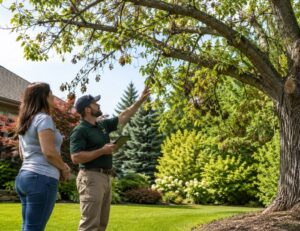
If you’re seeing any of these, it’s time for a professional evaluation through our tree stress recovery services.
Mid-to-Late Summer: Stress Management Is Key
By mid-summer, environmental stress becomes a major factor—especially during heat and dry periods.
Trees that weren’t properly treated earlier are more susceptible to:
-
Insect infestations
-
Fungal diseases
-
Long-term decline
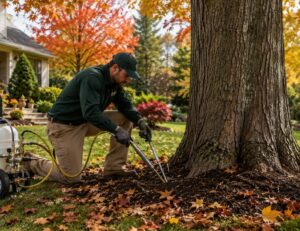
This is where supportive treatments like root fertilization play a critical role. Strengthening the root system helps trees withstand stress and recover more effectively.
At Tree Green M.D., we often step in during this phase to stabilize trees and prevent further damage heading into fall.
Why Professional Timing Beats DIY Guesswork
Many homeowners try to treat trees reactively or based on general advice—but tree care isn’t one-size-fits-all.
Different species, conditions, and environments all impact:
-
When treatments should be applied
-
What products are effective
-
How often care is needed
Our approach at Tree Green M.D. is based on accurate diagnosis and precise timing, ensuring every treatment delivers maximum impact.
If you’re unsure where your trees stand, starting with a professional evaluation is the best move.
Get Ahead of Tree Problems This Season
Spring and early summer are your best opportunity to protect your trees for the entire year.
If you wait until visible damage appears, treatment becomes more complex—and more expensive.
At Tree Green M.D., we’re here to help you stay ahead with proactive care, targeted treatments, and expert guidance tailored to your property.
If you’re ready to take the next step, explore our full range of tree care services or reach out through our contact page to schedule an evaluation.
TL;DR / Key Takeaways
-
The best time to treat trees is early spring through early summer
-
Preventative care is far more effective than reactive treatment
-
Common seasonal threats include insects, fungus, and environmental stress
-
Warning signs like yellowing leaves or thinning canopies shouldn’t be ignored
-
Professional diagnosis ensures the right treatment at the right time
-
Tree Green M.D. provides targeted, seasonally timed care to keep your trees healthy year-round