Every spring, homeowners across the area start asking the same question:
“Why hasn’t my tree leafed out yet?”
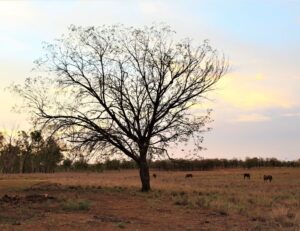
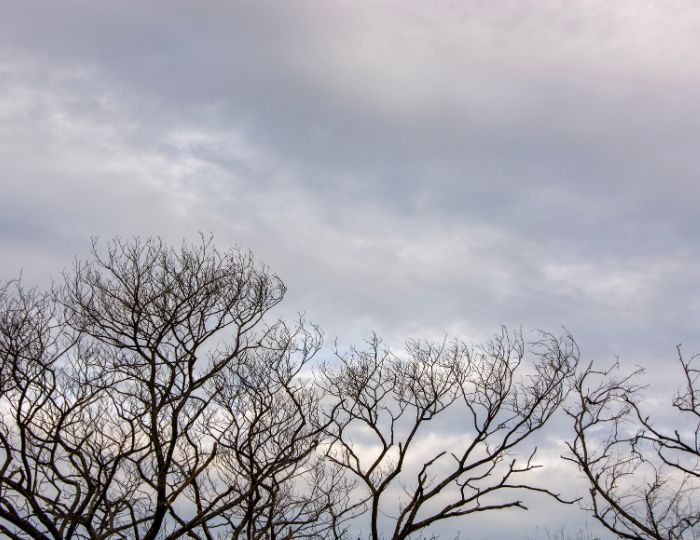
Some trees bounce back quickly with full, vibrant growth. Others… just sit there. Bare. Lifeless-looking. Concerning.
At Tree Green M.D., this is one of the most common calls we get in early spring—and the truth is, it’s not always obvious whether a tree is dead or just late to wake up.
Here’s how to tell the difference—and when it’s time to take action.
Why Some Trees Leaf Out Later Than Others
Not all trees follow the same schedule. Some species naturally leaf out weeks after others.
In many cases, what looks like a problem is just normal timing.
However, delays can also be caused by:
-
Environmental stress from previous seasons
-
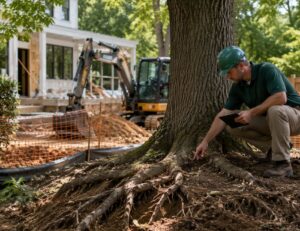
Root damage or soil issues
-
Early-stage disease or insect pressure
-
Long-term decline that’s just now becoming visible
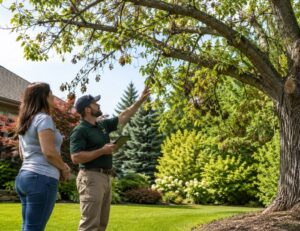
This is where a proper tree diagnosis becomes critical. At Tree Green M.D., we look beyond the surface to determine what’s really going on.
Bud Development: The Biggest Clue
Healthy trees preparing to leaf out will show signs of life before leaves appear.
Look for:
-
Swelling buds on branches
-
Small leaf formations starting to emerge
-
Flexible, living twigs (not brittle or snapping easily)
If your tree has no visible bud activity well into spring, that’s a red flag.
At that point, it’s time to consider a professional evaluation through our tree stress recovery services.
What Tree Stress Looks Like in Early Spring
Many trees that “look dead” are actually suffering from stress carried over from previous seasons.
Common causes include:
-
Drought conditions
-
Soil compaction
-
Poor root health
-
Insect damage from the prior year
These issues don’t always show up immediately. Instead, they reveal themselves during spring when the tree fails to fully come out of dormancy.
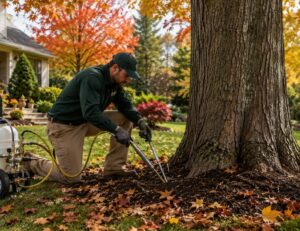
At Tree Green M.D., we often combine diagnosis with treatments like root fertilization to help trees recover and regain strength.
When It’s Time to Be Concerned
Not every late tree is a problem—but there are clear signs when you shouldn’t wait any longer:
Warning Signs:
-
No leaves or buds while surrounding trees are fully developed
-
Large sections of brittle, snapping branches
-
Bark peeling or cracking
-
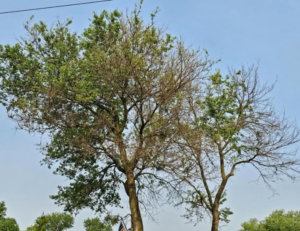
Uneven leafing (some branches alive, others completely bare)
If you’re seeing these symptoms, your tree may be in decline—and early intervention can make the difference between saving it and losing it.
Why Early Action Matters More Than You Think
Waiting too long is one of the biggest mistakes homeowners make.
By the time a tree fully fails to leaf out, underlying issues like insects or disease may already be advanced.
For example:
-
Borers often attack already stressed trees (see our borer treatment)
-
Fungal issues can quietly spread before symptoms appear (learn more about fungus control)
Catching these early allows us at Tree Green M.D. to apply targeted treatments that can stabilize and often save the tree.
Don’t Guess—Get a Professional Answer
It’s easy to assume the worst—or ignore the problem and hope for the best.
But tree health isn’t something you want to guess on.
At Tree Green M.D., we provide clear answers and actionable solutions based on what your tree actually needs—not guesswork.
If you’re unsure about your tree this spring, schedule an evaluation through our contact page or explore our full range of tree care services.
TL;DR / Key Takeaways
-
Some trees leaf out later—but delays can also signal stress or decline
-
The scratch test and bud development can help you assess tree health
-
Lack of buds or brittle branches are major warning signs
-
Tree stress from past seasons often shows up in spring
-
Early diagnosis and treatment can save trees and prevent further damage
-
Tree Green M.D. helps homeowners determine exactly what their trees need—and when to act